
Finishing treatment for head and neck cancer can bring a sense of relief, but it can also come with unexpected emotions.
While much of the focus during treatment is on physical recovery, your emotional wellbeing matters just as much. You may experience anger, anxiety, sadness, worry about the future, fear of recurrence, or concerns about changes to your appearance. These feelings can happen at any stage of your cancer journey, and there is no “right” way to feel.
It’s Normal to Feel a Range of Emotions
A head and neck cancer diagnosis and treatment can affect many parts of your life. You may feel:
- Angry about what has happened to you or your family
- Stressed, worried or low
- Afraid that your cancer may come back
- Sad or self-conscious about changes to your appearance
- Frustrated by ongoing treatment side effects or changes to everyday life
Your family, friends and carers may experience some of these emotions too, although not necessarily at the same time as you.
Managing Anger
Anger is a common response to living with cancer. Your diagnosis, its impact on your family, and changes to your everyday life can all contribute to feelings of frustration. Treatment side effects such as tiredness, discomfort and difficulty sleeping can make these feelings more intense.
Finding healthy ways to express and manage anger can help. You might try:
- Exercise or gentle physical activity
- Relaxation techniques, meditation or breathing exercises
- Finding a safe and private way to release your emotions
- Talking openly with someone you trust
- Speaking with a psychologist or other health professional
When Stress, Worry or Sadness Becomes Overwhelming
It’s understandable to feel stressed, worried, or sad during treatment and recovery. Frequent appointments, physical symptoms, changes to your routine and uncertainty about the future can all take an emotional toll.
If these feelings continue for longer than expected, you might lose interest in things you once enjoyed, withdraw from others or find everyday activities difficult.
If you’re feeling persistently low, overwhelmed or unable to cope, talk to your doctor or cancer care team. They can discuss support options and connect you with professionals who understand the challenges of cancer recovery.
Living With Fear of Recurrence
One of the most common concerns after cancer treatment is the fear that the cancer might come back.
Every ache, appointment or scan can sometimes bring those worries back. This is known as fear of recurrence, and it is a common part of survivorship.
While you may not be able to eliminate these fears, you can take steps to manage them:
- Learn about your follow-up care and understand your individual risk of recurrence
- Attend your regular follow-up appointments
- Talk to your healthcare team about symptoms or concerns
- Stay active and make time for hobbies and activities you enjoy
- Practice stress-management techniques such as exercise, mindfulness or meditation
- Share your worries with someone you trust
For many people, fear of recurrence becomes less intense over time. If your worries are becoming more frequent or are stopping you from doing the things you enjoy, speak with your doctor or cancer care team.
Adjusting to Changes in Your Appearance
Head and neck cancer treatment can sometimes cause changes to your face, neck, skin or other visible areas of your body. These changes can affect how you see yourself and how comfortable you feel around other people.
You may experience sadness, embarrassment, frustration, or a loss of confidence. It can take time to adjust.
Try to be patient and compassionate with yourself. Recovery isn’t only about getting used to what has changed — it’s also about finding ways to feel comfortable and confident in your new normal.
Talking with a psychologist, counsellor, or someone who has experienced similar changes can be helpful. You may also find support through cancer support groups and peer networks.
You Don’t Have to Go Through It Alone
Looking after your emotional wellbeing is an important part of cancer recovery. Reaching out for support is a positive step towards looking after yourself.
Depending on what you need, support may come from:
- Your GP or cancer care team
- A psychologist or counsellor
- Family and friends
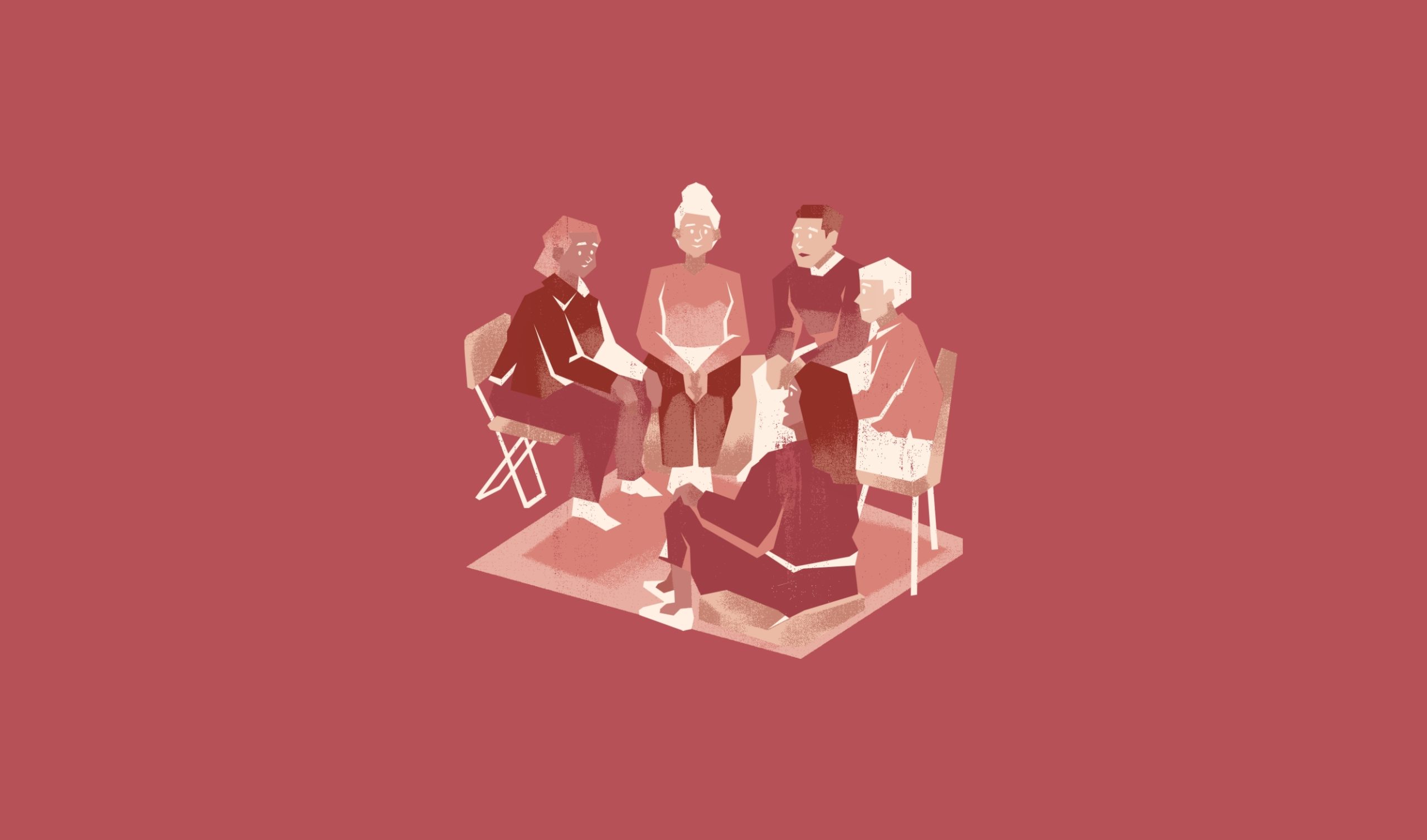
- Cancer support groups
- Peer support from people who have experienced head and neck cancer
- Online support communities and resources
Sometimes, simply having someone listen can make a difference. You may also benefit from practical strategies, professional counselling or help connecting with services in your local community.
At WA Head and Neck Cancer, we understand that the emotional impact of cancer can continue long after treatment has finished. If you’re feeling upset, anxious or overwhelmed, our counsellors are available to listen, provide support and help connect you with appropriate services.
Your Emotional Wellbeing Matters
There is no single way to feel after head and neck cancer treatment. Some days may feel easier than others, and that’s OK.
Give yourself time, be kind to yourself, and reach out for support when you need it.
You don’t have to take this journey alone. Join our Support Group.