
- October 18, 2026
- Resources
Six Years of Walking Together for a Cause
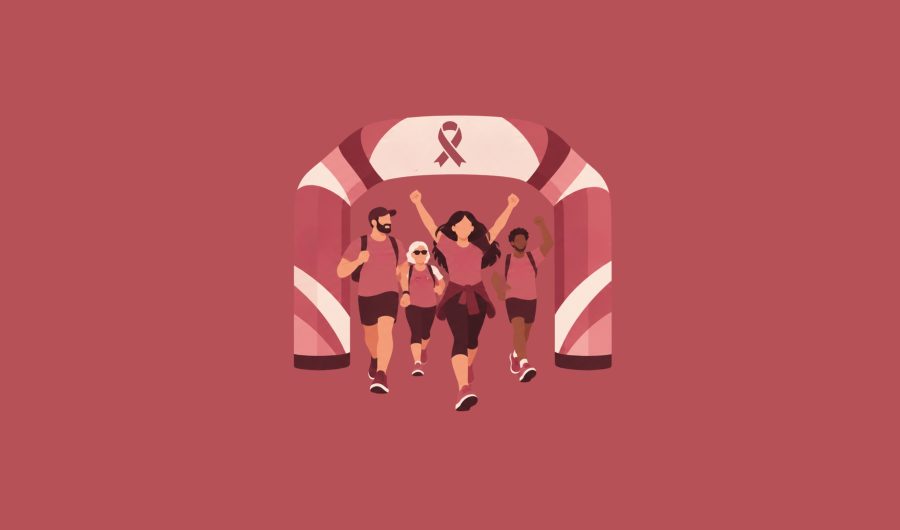
Walk to Get Ahead 2026 marks the sixth annual event,… Learn more

- September 18, 2026
- Resources
Life After Treatment: Finding Your New Normal
Finishing treatment for head and neck cancer can bring a… Learn more

- August 20, 2026
- Resources
Chester Marathon UK Fundraiser for WA Head & Neck Cancer Support
What do you get when you combine a marathon, a toga and… Learn more

- July 17, 2026
- Resources
Walk to Get Ahead 6th Annual Event
The Walk to Get Ahead returns for its 6th year, bringing the Western Australia… Learn more

- June 29, 2026
- Resources
Monthly Support Group Meetings – Why Community Support Matters?
Head and neck cancer attacks the very way we speak and eat. As Australian cases surge, the healthcare system must urgently pivot to a dual focus: life-saving surgery paired with life-altering rehabilitation.
- April 24, 2026
- Resources
How can I reduce the risk of secondary cancer?
Head and neck cancer attacks the very way we speak and eat. As Australian cases surge, the healthcare system must urgently pivot to a dual focus: life-saving surgery paired with life-altering rehabilitation.