
- March 18, 2026
- Resources
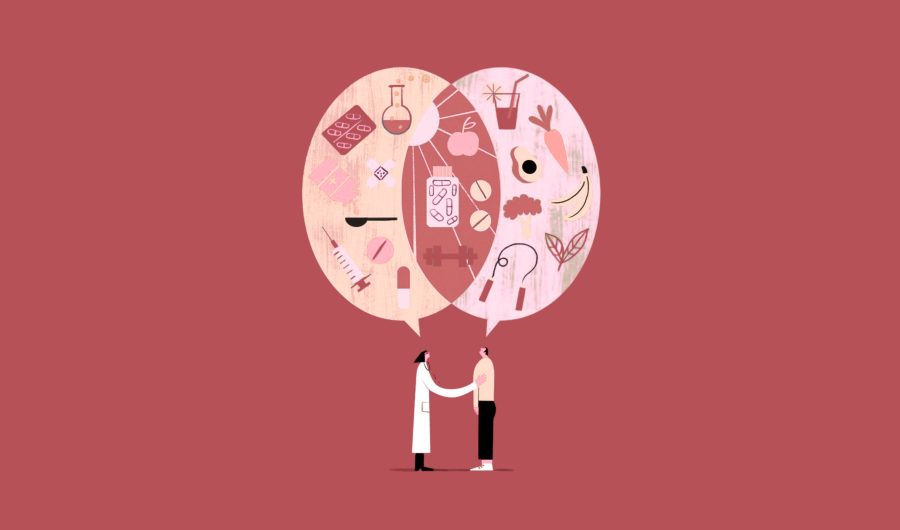
Why Follow-Up Care Matters After Head and Neck Cancer Treatment
Finishing treatment for head and neck cancer is a massive milestone. However, the end of active treatment doesn’t mean the end of your medical journey. Think of follow-up care not as a lingering chore, but as your essential safety net.

- February 19, 2026
- Resources
What Rehabilitation Options Are There?
Living with and recovering from head and neck cancer is as much about reclaiming your quality of life as it is about treating the disease. In the UK, the focus of your multidisciplinary team (MDT) is not just on “curing” cancer, but on ensuring you can breathe, speak and eat as comfortably as possible.

- January 16, 2026
- Resources
Surgery and Rehabilitation
There are few diseases that impact a patient’s sense of self as acutely as head and neck cancer. Affecting the vital structures governing speech, swallowing, and breathing, these tumours compromise the most visible and functional aspects of the body. As incidence rates across Australia demonstrate a concerning upward trajectory, there is an urgent need for the medical profession to evolve.

- December 15, 2025
- Resources
Anxiety, Fear and Depression
A diagnosis of head and neck cancer can be overwhelming, often triggering emotions like anxiety, fear, and depression. These feelings may arise from concerns about health, changes in appearance, and the impact on daily life. Recognising and understanding these emotions is the first step toward managing them and finding effective coping strategies.

- November 11, 2025
- Resources
Life During Treatment for Head and Neck Cancer
If you’ve recently been diagnosed with head and neck cancer, it’s understandable to feel overwhelmed. Your medical team will create a personalised treatment plan based on your diagnosis, stage, and the latest research. Remember, don’t hesitate to ask questions and gather information to understand the benefits, risks, and side effects involved.
- October 26, 2025
- Resources
Understanding Treatment
If you’ve recently been diagnosed with head and neck cancer, it’s understandable to feel overwhelmed. Your medical team will create a personalised treatment plan based on your diagnosis, stage, and the latest research. Remember, don’t hesitate to ask questions and gather information to understand the benefits, risks, and side effects involved.